

Eczema sufferers know the importance of using both moisturisers and steroid creams in their routines—but confusion over which to apply first remains common. Should you reach for the soothing moisturiser or the prescription steroid first? This comprehensive, evidence-based guide clarifies the order for maximum relief and skin health, drawing on current dermatological recommendations and the latest science.
Table of Contents
- What Is Eczema and Why Does Order Matter?
- The Dermatological Debate: Which Comes First?
- What Do Guidelines and Evidence Say?
- Practical Step-by-Step Routine
- Conclusion: Combine Both for Maximum Control
The Science of Eczema Treatment
What Is Eczema and Why Does Order Matter?
Eczema, or atopic dermatitis, is a chronic inflammatory skin condition marked by intense itching, dryness, redness and recurring flare-ups. Managing the condition well means restoring the damaged skin barrier and controlling inflammation. Two main treatments dominate:
Topical corticosteroid creams: Tame inflammation and reduce immune overactivity.
Moisturisers: Hydrate the skin and repair the all-important barrier function.
Choosing the correct order for application makes a significant difference in both symptom relief and long-term skin health.
The Dermatological Debate: Which Comes First?
The “Steroid Cream First” Approach
Many dermatologists recommend applying steroid cream first, directly to the inflamed, affected areas. Here’s why:
Direct Absorption: Steroids work by being absorbed into the skin to target inflammation. Applying them onto bare skin (especially after gentle cleansing) maximizes their penetration, ensuring the medicine gets where it’s needed.
Unblocked Action: Moisturiser can create a barrier layer, which may reduce how much steroid is able to reach inflamed tissue if applied first.
The “Moisturiser First” Approach
Some experts, and a few clinical guidelines, suggest moisturiser first—particularly for extremely dry, cracked or sensitive skin:
Barrier Preparation: Moisturiser hydrates and softens the outer skin layer, sometimes making subsequent steroid absorption more efficient.
Reduced Side Effects: Moisturiser can act as a buffer, decreasing the sting or burn sometimes caused by steroids—especially in children or those with very fragile skin.
What Do Guidelines and Evidence Say?
Most up-to-date dermatological sources and eczema organizations recommend the steroid cream first, followed by moisturiser. Here’s the generally recommended order:
- Cleanse with a mild, fragrance-free cleanser and pat dry.
- Apply steroid cream thinly, only to affected areas. Massage gently until absorbed.
- Wait 10–15 minutes for the steroid to penetrate the skin.
- Apply moisturiser liberally over the entire area (including places steroid was applied) to lock in moisture and support barrier repair.
This practice allows the steroid to act unimpeded, then uses the moisturiser to reinforce the skin’s barrier and hydration, supporting both immediate and long-term healing.
Practical Step-by-Step Routine
- Gentle Cleansing: Use lukewarm water and a soap-free cleanser to remove irritants.
- Steroid Cream Application: While skin is still slightly damp, apply a thin layer of your steroid cream to active eczema patches only. Avoid healthy skin.
- Absorption Time: Wait about 10–15 minutes. This gives the medication time to absorb deeply.
- Moisturiser Application: Follow up by applying a generous moisturser everywhere—on and around the treated area.
Tip: Use a moisturiser that’s fragrance-free and designed for very sensitive or eczema-prone skin. Check out our 10 essential tips to improve your skincare routine.
Special Considerations
Always Follow Medical Advice: Your dermatologist or healthcare provider’s instructions take precedence, as your regimen should be personalized.
Mixing Products: Avoid mixing steroid and moisturiser together unless specifically instructed by your doctor, as this can dilute or alter the medicine’s absorption.
Chronic Use: Limit steroid use to prescribed areas and timeframes, as overuse can thin the skin.
Common Questions Answered
Can I skip moisturiser if I’m using a steroid?
No—consistent moisturiser use is essential for ongoing barrier repair, even during active flare treatment.Can I reverse the order?
The order described above is best for most people, but in rare cases of extreme sensitivity, your doctor might advise moisturiser first to prevent stinging.How long do I wait between products?
Generally, 10–15 minutes is sufficient for steroid absorption before applying moisturiser.
Conclusion: Combine Both for Maximum Control
For most people with eczema, applying steroid cream first (to inflamed areas only), waiting 10–15 minutes, and then sealing everything in with a rich moisturiser yields the best results. This technique soothes immediate symptoms while supporting long-term skin barrier repair, helping you get ahead of flare-ups and restore skin health. Always check with your healthcare provider for advice tailored to your specific case.
Your skin matters—get the most from your treatment with this science-backed approach!
Get your FREE Eczema Starter Guide with 10 tips to improve your routine. Sign up our email listing ! ❤️

Eczema and Food Triggers: How Diet Influences Inflammation and the Skin Barrier
Can certain foods worsen eczema symptoms? Learn how diet, inflammation and the skin barrier interact, which foods may act as triggers, and how to support eczema prone skin safely.

Air Pollution and Eczema: How Urban Living Weakens the Skin Barrier
Air pollution can quietly worsen eczema and sensitive skin. Learn how pollutants damage the skin barrier and what barrier supportive care can help protect it.

Laundry Detergents and Eczema: How Washing Products Affect Sensitive Skin
Laundry detergents can quietly worsen eczema and sensitive skin. Learn how surfactants, residues and fabric care choices affect the skin barrier and how to choose safer options.

Can Dust Mites Trigger Eczema? Understanding Allergens and Skin Barrier Sensitivity
Learn how dust mites affect eczema prone skin, why allergens weaken the skin barrier and how to support sensitive skin with microbiome aligned care for everyday comfort.
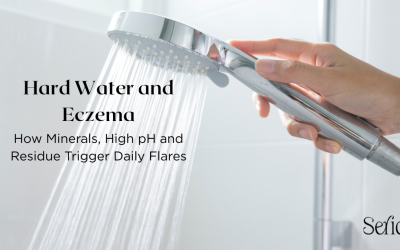
Hard Water and Eczema: How Minerals, High pH and Residue Trigger Daily Flares
Hard water can worsen eczema by disrupting the skin’s natural pH, depositing mineral residue and weakening the microbiome. Learn how calcium, magnesium and alkalinity irritate sensitive skin, and discover dermatologist-backed strategies to reduce flare-ups at home.
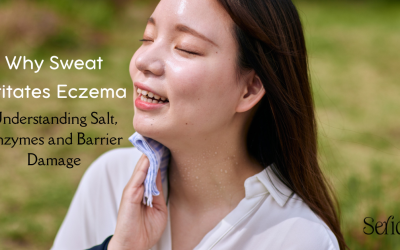
Why Sweat Irritates Eczema: Understanding Salt, Enzymes and Barrier Damage
Sweat is one of the most common yet overlooked triggers for eczema prone skin. Learn how salt, enzymes and barrier weakness cause irritation and discover gentle ways to protect sensitive skin in hot, humid climates.


